Dairy Free, Dips, Condiments and Dressings, Gluten Free, Recipes, Vegan

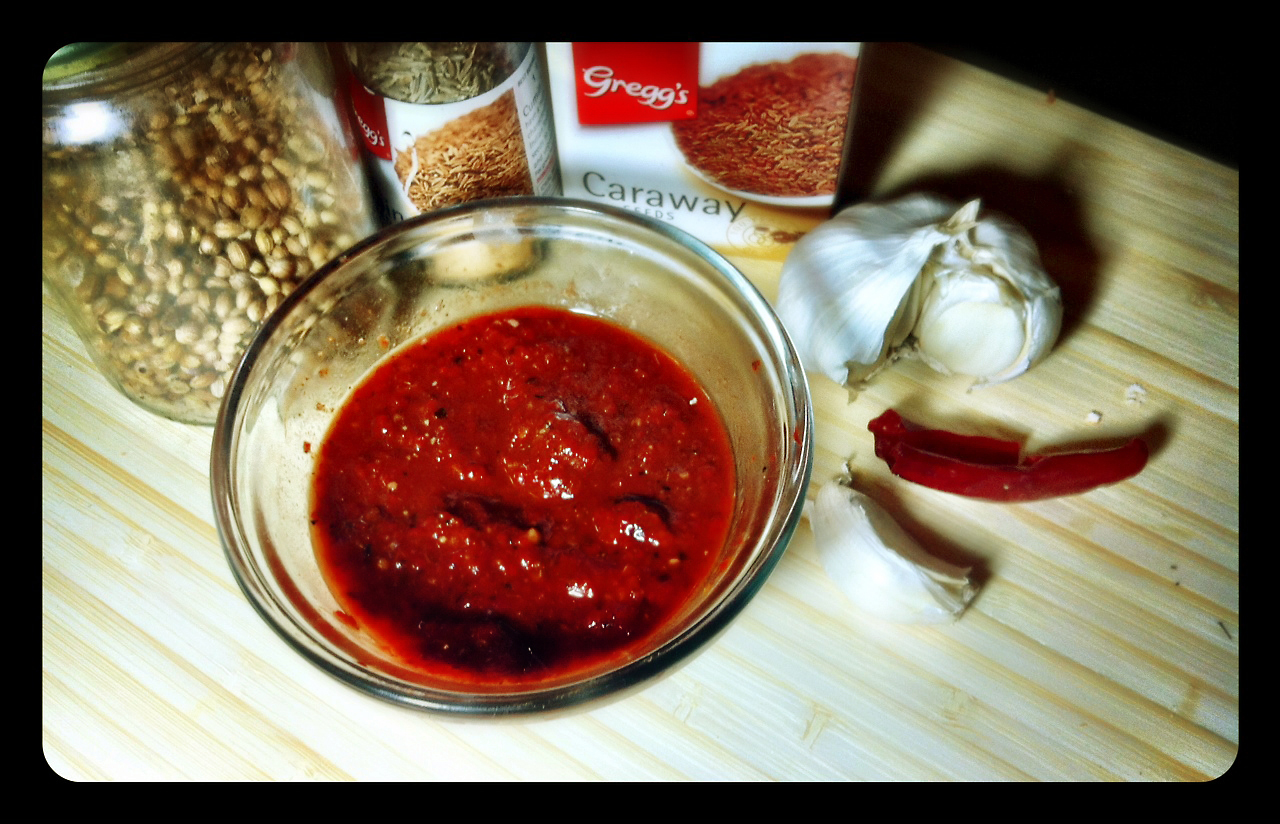
Harissa

Harissa

Mmmmm . . . Spicy chili goodness!!

Harissa is a spiced chili paste originally from Tunisia, but its use has spread to other North African and Middle Eastern countries . The main ingredients are hot chili peppers and spices and herbs such as garlic paste, coriander, red chili powder, caraway as well as some kind of vegetable or olive oil.  Recipes for harissa vary according to region and country; variations can include the addition of cumin, red peppers, garlic, coriander, and lemon juice. In Saharan regions, they add a smokey flavor to harissa.

I needed a harissa paste to use in my Day 23- Harissa Ravioli post, and a friend suggested that I try making my own. Brilliant idea!! After a bit of research I found a recipe on the Food52 blog site, that seemed to be easy enough, use ingredients I mostly already had around the house, and was open to my own interpretation. You are supposed to let the harissa paste sit for over 24 hours before using, but since I needed it for a particular recipe I could not wait. My version of harissa worked perfectly in the dish, and I cannot wait to taste the intensity of the flavors 24 hours from now.

Harissa

MAKES: approx. 1 1/2 cups

INGREDIENTS

  • 1 teaspoon cumin seeds
  • 1 teaspoon coriander seeds
  • 1/2 teaspoon caraway seeds
  • 1/2 teaspoon smoked paprika
  • 3 garlic cloves
  • 2-3 red jalapeno or serrano chiles, stemmed, chopped with seeds (the more you add, the hotter the harissa)
  • 2 large or 3 medium red bell peppers, roasted, peeled and seeded, coarsely chopped (I actually used jarred roasted red peppers and it worked just as good)
  • Extra-virgin olive oil
  • 1 teaspoon freshly ground black pepper
  • 1/2 teaspoon sea salt, or to taste

Toast cumin, coriander and caraway seeds in a dry skillet over medium heat until aromatic, 1 minute. Transfer to a mortar with pestle, and grind seeds to a fine powder.

Combine ground seeds, garlic, smoked paprika, chiles, red peppers and 1 tablespoon olive oil in bowl of food processor. Process, adding additional olive oil if necessary, for a thick sauce-like consistency. Add ground pepper and salt.

Let harissa sit at least one hour and up to 24 hours before serving. (Refrigerate until use.)

ENJOY!!

Standard
100 Days Project, Dairy Free, Gluten Free, Recipes, Salads, Side Dish, Vegan

Day 22 – Wild Rice Salad

Day22

Mmmmm . . . I love the nuttiness of Wild Rice and I am constantly on the look out for new ways of preparing it.

Wild rice is the grain from four species of grasses of the genus Zizania, which has been historically gathered and eaten in both North America and China.  This type of rice grain has a chewy outer sheath with a tender inner grain that has a slightly nutty taste.  Because of its nutritional value and taste, wild rice increased in popularity in the late 20th century, and commercial cultivation began in the US and Canada to supply the increased demand.  Typically sold as a dried whole grain, wild rice is high in protein, the amino acid lysine, dietary fiber, B Vitamins, minerals, it is low in fat, and like other rice varieties it is gluten free.

I found this recipe from Yotam Ottolenghi , a London based chef who is a rising star of the cooking world. His food tends to combine simple raw ingredients with influences from his Mediterranean background. I am already familiar with Ottolenghi’s vegetarian cookbook “Plenty“, which I borrowed from a friend a while ago, and was very sad to have to give back. This made me very excited to find out that he shares recipes on his website and in his weekly Guardian newspaper column.  I think I will be spending some time on the Guardian website this weekend. Still, I would love to have the cook book in my collection . . . wink, wink,nudge, nudge . . .

Wild Rice Salad

by: Yotam Ottolenghi

SERVES: 4

INGREDIENTS

  • 250g/1 1/4 cups wild rice
  • 60g/ 1/3 cup peeled pistachio (I used almonds because I had them around the house)
  • 150g soft dried apricot, soaked in hot water for 5 minutes
  • 1 small bunch of mint, leaves picked
  • 1 small bunch of rocket
  • 3 spring onions, roughly chopped
  • Zest and juice of 1 lemon
  • 2 tbsp olive oil
  • 1 large clove of garlic, crushed
  • Sea salt and freshly ground black pepper

Place the rice in a large pot and cover with water, bring to the boil then reduce the heat and cook for 30-40 minutes, depending on the variety, or until the rice is cooked aldente. Alternatively you can cook the rice in a rice cooker with 2 1/2 cups of water. Drain the rice and rinse under cold water.

While the rice is cooking, roast the pistachio or almonds in a dry pan over a medium heat for 8-10 minutes. Coarsely chop them with a large knife. Drain the apricot and coarsely chop them too.

In a bowl mix the rice, apricots and pistachios, and then add the rest of the ingredients, toss well and season with salt and pepper to taste.

ENJOY!!


Standard
100 Days Project, Baking, Breads, Dairy Free, Gluten Free, Recipes, Vegan (with substitutions)

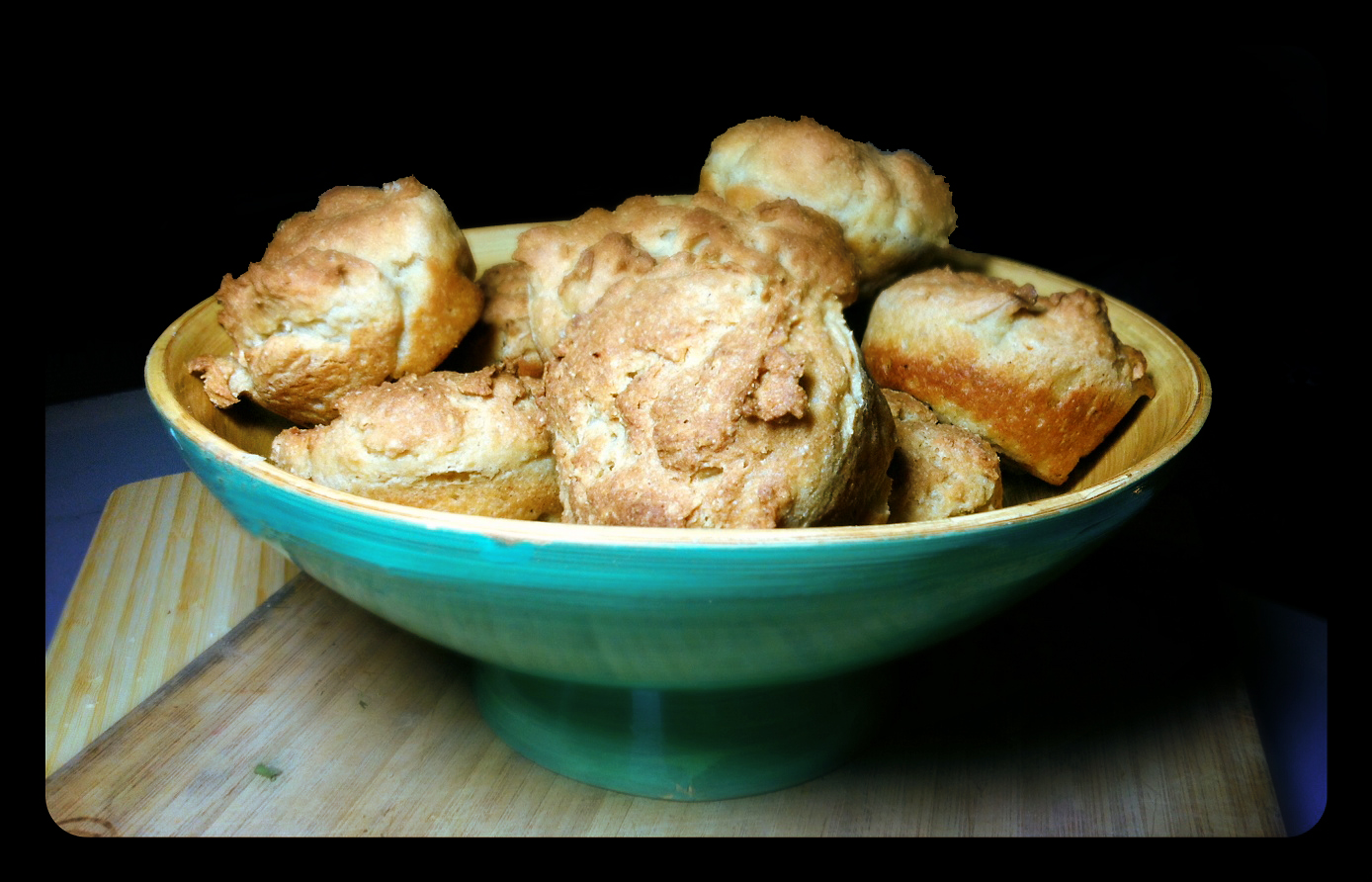
Day 20 – Gluten Free Dinner Rolls

Day20

Now I like my gluten as much as the next person, but more and more people are finding they are fully Coeliac, have some sort of intolerance to gluten, or that eating less gluten makes them feel better on a day to day basis.

Personally, I fall into that last category. I have Juvenile Rheumatoid Arthritis, an autoimmune disease same as Coeliac disease. Studies have shown the same allergic reaction that causes the stomach to react to gluten causes antigens to form in the blood stream that may case swelling in joints, especially areas already weakened by arthritis. The simple version of this is that i have less swelling and pain in my joints when I eat less gluten. I also tend to feel more clear headed and have more energy.

I am going to a dinner party tomorrow night, where I know there will be other people who do not eat gluten, so I decided to make these Gluten Free Dinner Rolls, which is a recipe from my favorite gluten free resource: Karina, The Gluten Free Goddess. Her recipes for gluten free goodies always come out tasty, and although I have not tried this recipe, I am confident that it will make something yummy for me to bring along to the dinner party.

From Karina, The Gluten Free Goddess I have learned the key to gluten free baking is Xantham Gum. Produced by a bacteria grown through fermentation of glucose, sucrose, or lactoseis, Xantham gum is commonly used as a food additive or thickening agent. In gluten free baking it works as a binding agent replacing that natural property found in gluten.

this recipe provides for Vegan substitutions making these dinner rolls a perfect accompaniment to the Vegan/Gluten Free Split Pea Soup recipe in my Day 19 post.

Gluten Free Dinner Rolls

by: Karina, The Gluten Free Goddess

MAKES: 12 Bread Rolls

INGREDIENTS

  • 1 cup sorghum flour- aka jowar flour
  • 1 1/2 cups tapioca starch or potato starch (not potato flour!)
  • 1/2 cup millet flour or brown rice flour
  • 1/4 cup GF buckwheat flour or GF millet flour
  • 1/4 cup hazelnut flour or almond flour
  • 2 tablespoons coconut flour or brown rice flour
  • 1 teaspoon xanthan gum
  • 1 teaspoon fine sea salt
  • 1 packet rapid rise yeast
  • 2 tablespoons light brown sugar
  • 1 1/2 cups warm liquid (3/4 cup dairy  or non-dairy milk plus 3/4 cup hot water)
  • 1/4 cup light olive oil
  • 2 free-range local organic eggs, beaten or Ener-G Egg Replacer
  • 1/2 teaspoon lemon juice or rice vinegar

Turn your oven on and off briefly to warm it. Grease a 12-cup muffin pan and sprinkle the cups with GF flour; set it aside.

In a large mixing bowl, whisk together the flours and dry ingredients.  Then add in the wet ingredients and beat until a thick batter forms. This bread dough is not puffy and stretchy like wheat-based dough, it is more akin to a sturdy muffin batter. Beat until smooth.

Spoon the bread dough into the twelve greased and floured cups. Even out the tops using wet fingers or the back of a wet tablespoon. Place the pan in the center of the warmed oven to let the dough rise.

Set your timer for 50 minutes. At 50 minutes, turn your oven to 350ºF. (It should come to temperature within a few minutes.)

Bake until the rolls are golden and firm- about 22 minutes. Thump them with a fingertip- they should sound hollow. Note: If your oven is slow to heat, you may have to bake the rolls longer to cook all the way through.

When the rolls are done baking, remove the pan from the oven and place it on a wire rack to cool a bit. Using a thin knife, loosen the edges of the rolls from the pan and ease the rolls out. They are tender when warm.

Serve immediately with butter or vegan substitute.

ENJOY!!

Standard
100 Days Project, Dairy Free, Gluten Free, Recipes, Soups, Vegan

Day 19 – Split Pea Soup with Crispy Onion Strings

Day19

Mmmm . . . Split Pea Soup . . . one of my favorites . . .

Although this recipe, from The Curvy Carrot, is different because instead of the just using split peas, it has other vegetables like carrot, celery, and potato to round out and add flavor to what can sometimes be a overwhelming pea flavored soup. Also, those crispy onion strings really make the dish adding just that nice bit of crunchy salty texture.  A friend who had dinner with me said it was “almost” like having crispy bits of bacon on top, making sure to use finger quotes when saying “almost”.

For the crispy onion strings, I used these little smoked red onions I got from the Matakana Markets on my trip up north over the weekend. I suspect the smokiness of the onions added to “almost” bacon quality of the onion strings. I love escaping from Auckland for the day and heading to any of the great markets in the fringe areas around Auckland. Only about an hour north of Auckland, Matakana is one of my favorite destinations for this, as the market is full of stalls with fun foods. There is usually live music of some sort, and if the weather is nice you can sit by the river and much on the treats you have just purchased.

In 1999 – 2000 I live in Sydney, Australia and worked as a waitress, hostess, bartender, dishwasher and kitchen hand at a cafe/jazz bar called Soup Plus. That Chef’s theory about making soup is that there can never be enough butter. The amount of butter he used to put in the soups was enough to make you second guess eating them. Yet the soups always tasted fantastic having this rich creamy texture that I can only assume came from the overdose of butter. This has stayed with me, and to this day I never make a soup without adding just a little bit of butter. Without butter this soup would be Vegan, but if you are not concerned about such things, trust me  . . . add the butter.

Split Pea Soup with Crispy Onion Strings

adapted from: The Curvy Carrot

MAKES: 8, 1 cup servings

INGREDIENTS

For the soup:

  • 1 pound/2 cups dried split green peas
  • 3 quarts/12 cups water
  • 2 tablespoons vegetable oil
  • 2 stalks celery, diced into 1/2-inch/10mm pieces
  • 2 carrots, diced into 1/2-inch/10mm pieces
  • 1 medium yellow onion, diced
  • 1 large leek, sliced
  • 1 teaspoon dried thyme
  • 2 bay leaves
  • 2 medium Yukon Gold potatoes, cut into 1-inch pieces
  • 50g/ 3 tablespoons butter, chopped into smaller pieces (this is optional)
  • Salt and pepper, to taste

For the onion strings:

  • 1 small onion, sliced thinly
  • 1 teaspoon vegetable oil
  • 1 tablespoon flour
  • Salt and pepper, to taste
  • Smoked sea salt for final garnish, optional

In a large stock pot over high heat, bring the peas and water to a boil. Let the peas boil, uncovered, for two minutes.

Reduce the heat to low, cover, and simmer for 1 hour. (This will dissolve your peas)

After the hour is over, add the oil to a medium skillet over medium-high heat. Add the celery, carrot, onion, leek, and thyme to the oil and cook, stirring frequently, until softened, about 8-10 minutes. Add the vegetable mixture to the stock pot followed by the bay leaves and potatoes, and butter (if you are using it) and simmer over medium-low heat, stirring occasionally.

Continue simmering, stirring occasionally, until the soup has thickened, about 2-3 hours.

Season to taste with salt and pepper

ENJOY!!

Standard
100 Days Project, Dairy Free, Gluten Free, Mains, Recipes, Vegan

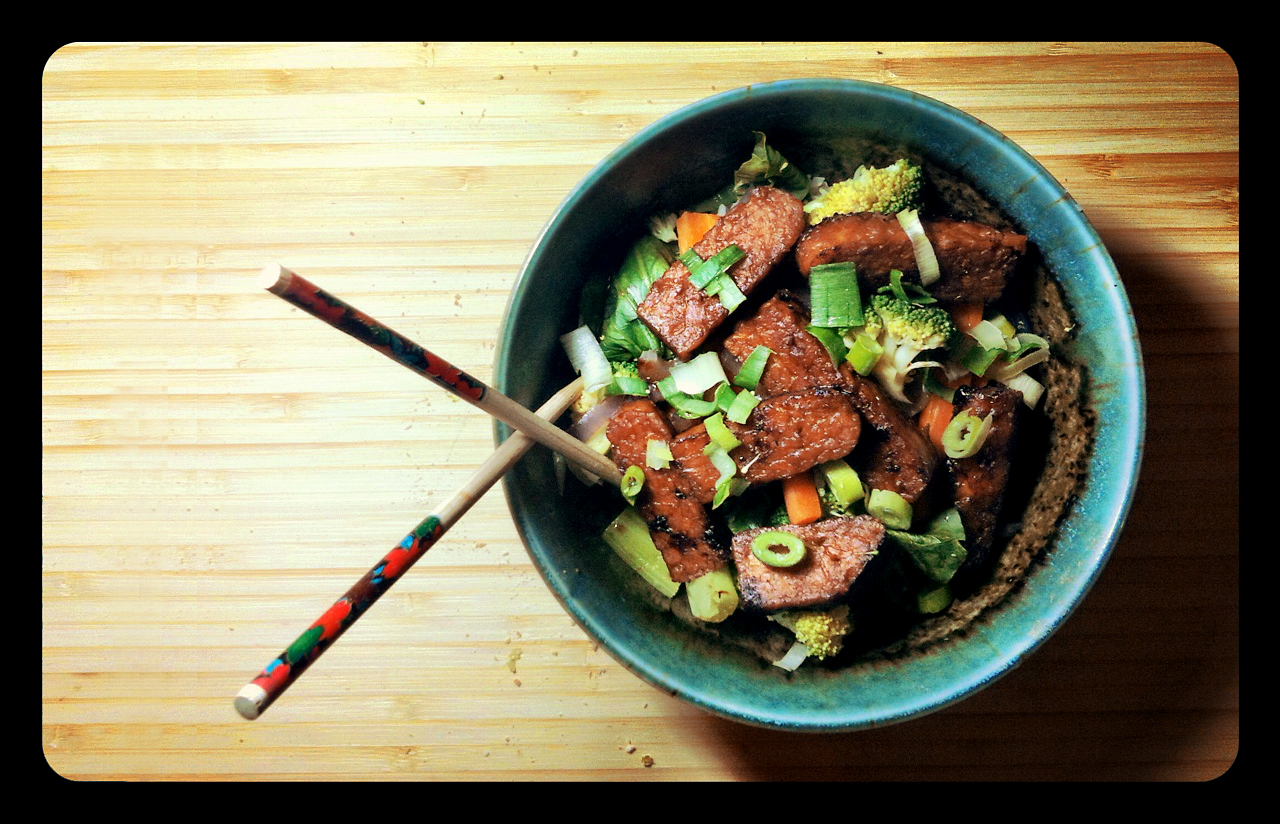
Day 18 – Teriyaki Tempeh Bowl

Day18

Asian style food is usually my fall back for a quick, healthy, flavorful meal when I am running short of time.

I got home really late from work yesterday, and realized I had not eaten much during the busy day so needed to make something quick, healthy, and packed with protein. It seemed like the perfect opportunity to try this recipe for a Teriyaki Tempeh Bowl sent to me by a friend who, although she is not vegetarian herself, cooks amazing food for her vegetarian husband.

Tempeh is a traditional soy product originally from Indonesia, most likely from the island of Java. Like Tofu, tempeh is made from soybeans, but it is a whole soybean product with different nutritional characteristics and a very unique textural quality made by a natural culturing and controlled fermentation process that binds whole soybeans into a cake form. Tempeh’s fermentation process and use of the whole soybean give it a higher content of protein, dietary fiber, and vitamins than Tofu.

Teriyaki is a Japanese cooking style in which foods are broiled or grilled while being basted in a marinade based on soy sauce, mirin (rice vinegar), and sugar. Modern or store bought Teriyaki Sauce also may include honey, garlic, ginger, and chili, but these are not ingredients common to to traditional Japanese cooking.

So this meal is a bit of a mash up of cultures between Indonesian Tempeh and Japanese Teriyaki Sauce, but all together it was just what I needed for a late night quick protein fix.

Teriyaki Tempeh Bowl

MAKES: 2 Servings

INGREDIENTS

  • 250g (one packet) of tempeh, sliced
  • 1 tablespoon sesame oil
  • store bought or homemade Teriyaki Sauce
  • 1 small head of broccoli
  • 1 carrot, cut into sticks
  • 1 small red onion
  • 2 small heads of Bok Choy
  • 1 cup mushrooms, sliced
  • 1 small zucchini (courgette), sliced
  • 1 green onion (spring onion), for garnish
  • 1 cup brown rice
  • 2 cups water

Place the 1 cup brown rice and 2 cups water into a rice cooker or pot on the stove and simmer until done.

Heat the sesame oil in a medium pan and add the Tempeh slices cooking them until brown on both sides. Add enough Teriyaki sauce to cover the tempeh and let simmer in a covered pan for about 5 minutes, turning the Tempeh slices over about half way through.

While Tempeh is simmering, steam the vegetables over a pot of boiling water for only a few minutes, just until the colours brighten and the vegetables start to lose their rawness. Be careful, you do not want to over steam the vegetables.

Build your bowl with a serving of brown rice on the bottom, adding a portion of the steamed vegetables, and topped with a few pieces of the Teriyaki Tempeh and some additional Teriyaki Sauce splashed on top. Garnish with a sprinkle of the chopped green onion.

ENJOY!!

Standard
100 Days Project, Dairy Free, Gluten Free, Party Food, Recipes

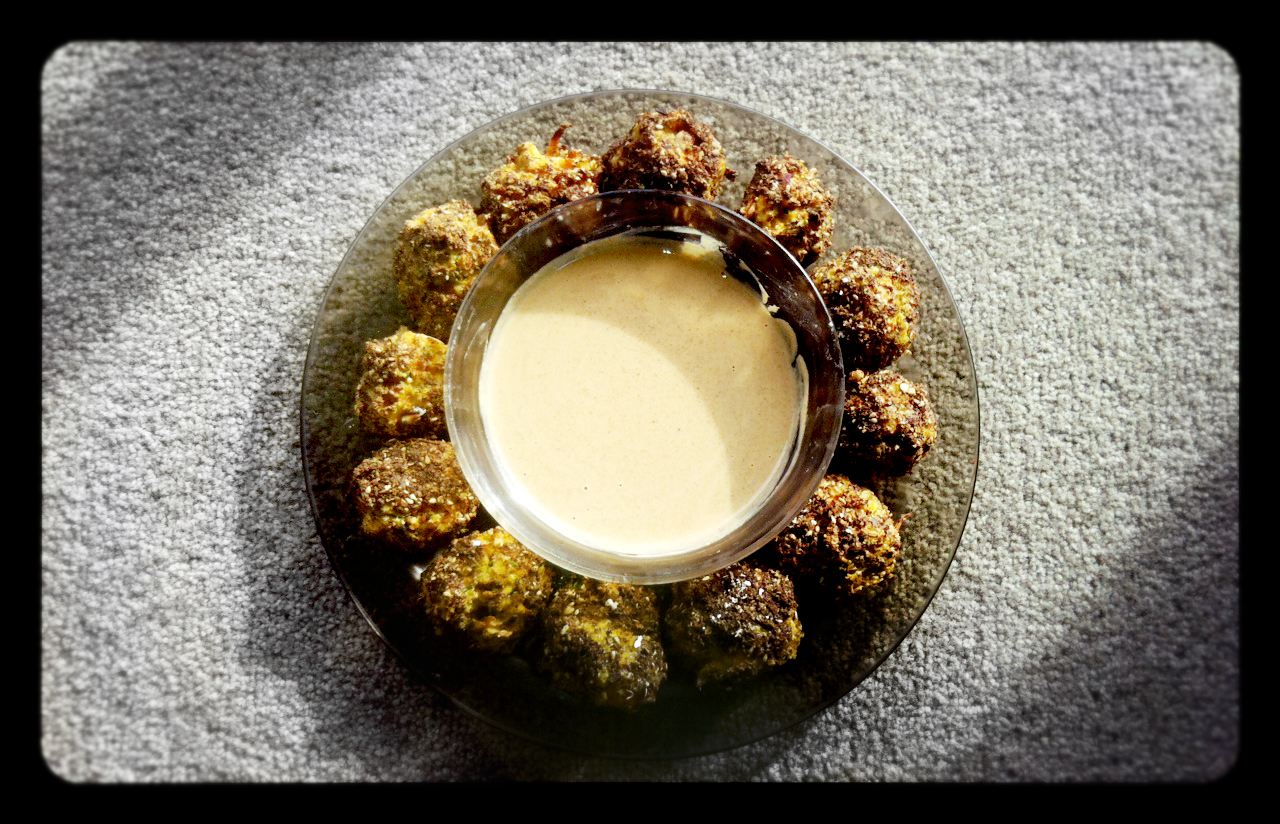
Day 17 – Dukkah Carrot & Zucchini Bites with Tahini Dressing

Day17

A friend sent me this recipe that she had found on Lady Homemade.

It seems like the perfect Sunday snack or party treat, especially since it fits nicely into the Paleo diet regime that many people seem to be following these days.  First popularized in the mid-1970s by gastroenterologist Walter L. Voegtlin, the Paleo diet is based on the presumed ancient diet of wild plants and animals that our ancestors ate during the Paleolithic era. The contemporary version of this diet consists mainly of fish, grass-fed pasture raised meats, eggs, vegetables, fruit, fungi, roots, and nuts, and excludes grains, legumes, dairy products, refined salt, refined sugar, and processed oils. The idea is based on the premise that modern humans are genetically adapted to the diet of their Paleolithic ancestors and that human genetics have scarcely changed making a similar diet ideal for modern human health and well-being.

Unfortunately, I found this recipe to be lacking in flavor, even the tahini dressing did not help that much. So . . . the version below is my adaptation adding in a few more herbs, spices, and (most importantly) a few more pinches of salt.

Dukkah Carrot & Zucchini Bites with Tahini Dressing

adapted from: Lady Homemade

INGREDIENTS

  • 2 small zucchini (courgette), grated – should be about 2 1/2 cups
  • 2 small carrots, grated – should be about 2 1/2 cups
  • 2 eggs
  • 1 1/2 cups blanched almond meal
  • 2 cloves garlic, crushed
  • pinch of dried chilli flakes or more if you dare
  • pinch of smoked paprika
  • 1 tablespoon fresh chives
  • 2 teaspoons dill
  • 2 teaspoons salt
  • 1 teaspoon pepper
  • 3-4 tablespoon dukkah spice mix, store bought or make your own

for the dipping sauce

  • 2 tablespoons tahini
  • 1 lemon, juice and zest
  • 3-4 tablespoons hot water
  • 1/2 teaspoon salt
  • 1 teaspoon smoked paprika

Heat oven to 180 degrees C.

Grate zucchinis, mix in a good couple of pinches of salt and leave to sit in a colander for at least 30 minutes.

Grate carrots and add to a mixing bowl with the almond meal, garlic, spices (except the dukkah).

One handful at a time, squeeze the grated zucchini to get out as much of the water as possible then add to the carrots.

Add the eggs and mix until thoroughly combined

Shape into little balls and place on a lined oven tray. Once you have made all the balls, sprinkle generously with dukkah.

Bake for 25 to 30 minutes until golden brown. They might give off a little liquid when cooking, this is normal.

To make the dipping sauce, mix tahini and lemon juice in a bowl until combined. Then add tablespoons of warm water
until the desired consistency. Add spices and mix until all ingredients are combined.

ENJOY!!

Standard
100 Days Project, Dairy Free, Gluten Free, Recipes, Side Dish, Vegan

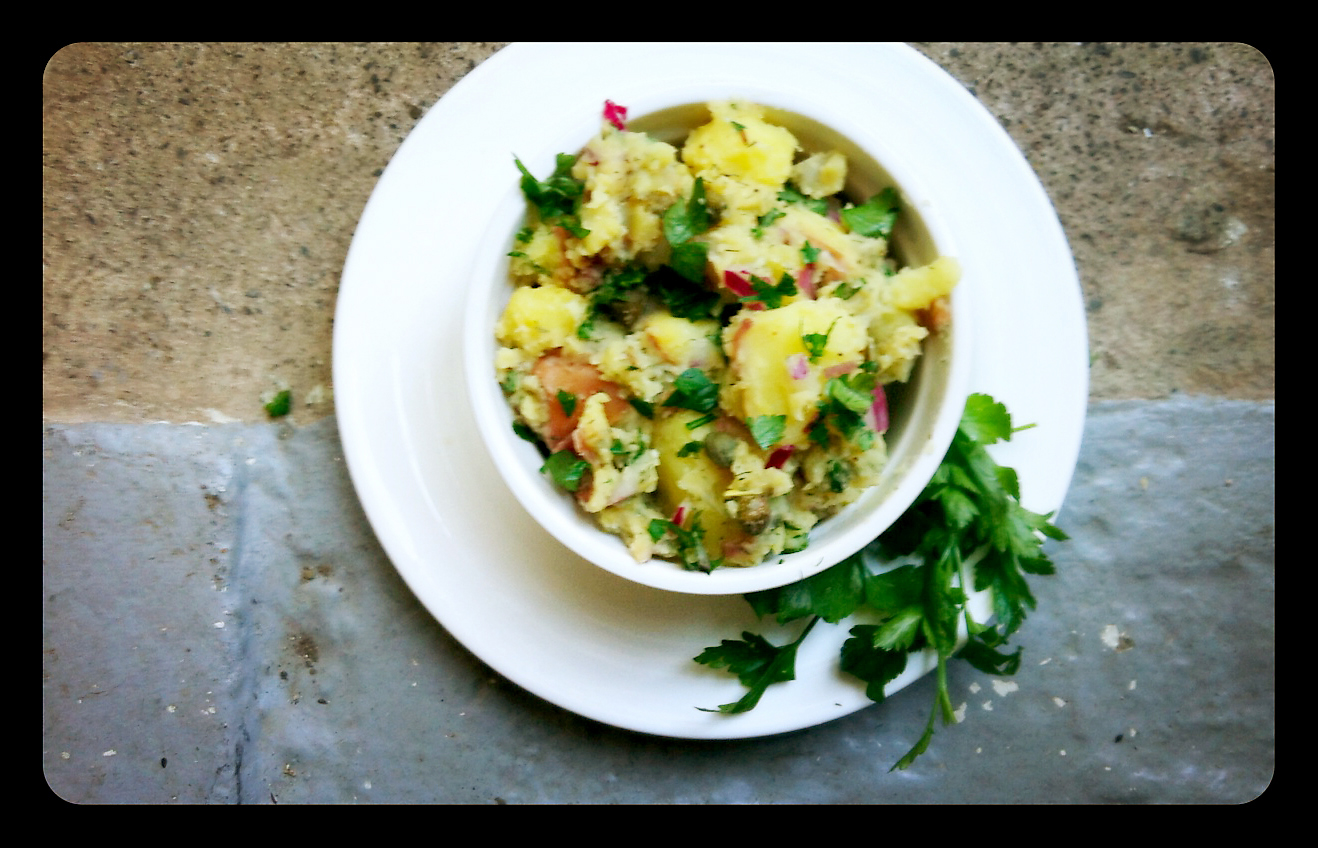
Day 15 – Horseradish Potato Salad

Day15

Summer or Winter, it is always a good time to make potato salad.

It makes the perfect accompaniment for the summertime BBQs, and a hearty side dish for meals on those cold winter nights. Usually potato salad is made with cream, sour cream or mayonnaise, so I was really excited to find this vegan version that can be made for everyone to enjoy. This recipe from Karina: The Gluten Free Goddess uses olive oil and apple cider vinegar in place of the mayonnaise dressing.

Horseradish, which is a spicy root vegetable closely related to mustard, wasabi, broccoli, and cabbage, is the main flavor element of this recipe.  I surprisingly found this ingredient (either fresh or prepared) vary hard to find in New Zealand. If you can only find it fresh make sure to process it into a paste in a food processor adding a slight bit of water and white vinegar, or else it will go brown. I finally found a prepared version at Farro Fresh, a high-end Auckland based food market. If you live outside of Auckland, you should be able to find it at a similar type of store. Make sure not to get a prepared version that has dairy mixed in, it should only have water , salt, or vinegar.

Usually, I like to add pickles to my potato salad, but that did not quite seem to be the right thing to go with the flavors in this recipe. So I had a quick look in the fridge and came up with the perfect solution, Capers!!! These added the perfect little pop of salty goodness.

This potato salad recipe turned out so full of flavor, and made a perfect side dish to go with the left over Lentil and Chickpea Sliders from my Day 14 post.

Horseradish Potato Salad

adapted from: The Gluten Free Goddess

INGREDIENTS:

  • 2 pounds or 1 kg small red potatoes
  • Sea salt
  • 1/4 cup fruity tasting extra virgin olive oil, as needed
  • 5 tablespoons apple cider
  • 1 smallish red onion, finely diced
  • 2 tablespoons prepared horseradish
  • Sea salt and fresh ground black pepper
  • 2 tablespoons chopped fresh parsley
  • 2 teaspoons dill, to taste
  • 1 teaspoon caraway seeds
  • 2 tablespoons capers

Wash and cut up the red potatoes, toss them into a pot of salted fresh water. Bring the water to a boil and simmer the potatoes until they are fork tender. Drain well.

Pour the cooked potatoes into a large bowl. While the potatoes are still warm, sprinkle with sea salt and drizzle with extra virgin olive oil and vinegar. Toss to coat and to soften the edges of the potatoes pieces a bit. Add the diced onion, horseradish and toss to distribute. Taste and season with more sea salt and fresh ground pepper. Add the chopped parsley, dill, caraway, and capers; mix. Taste test, and add more olive oil or vinegar, sea salt or herbs, if needed.

Serve warm, or cover and chill.

ENJOY!!

Standard
100 Days Project, Dairy Free, Food, Gluten Free, Mains, Vegan

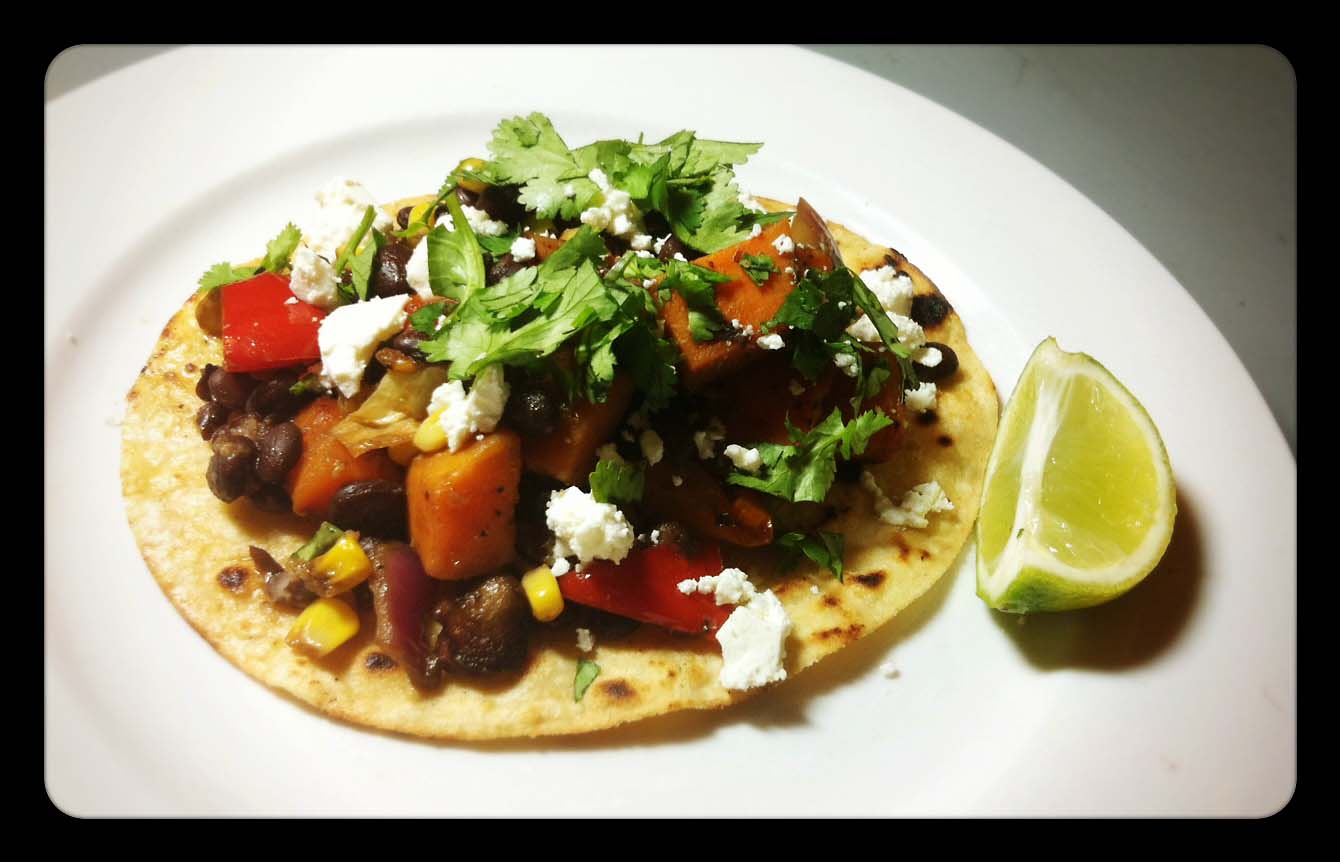
Day 11 – Roasted Garlic & Caramelized Vegetable Tostada

Day11

I had a friend staying with me from Wellington last night so I decided to make something a bit fancy . . .

Especially when that friend is following my Herbivore posts and after reading my Day 9 – World Gin Day French 75  post, he shows up on my doorstep with a bottle of very good gin. Houseguests that arrive with a bottle of good gin definitely deserve a special meal.

Being from the United States and growing up in South Florida, which has a large Latino population, Mexican food is one of my favorite types of food to make.  Although, this recipe I would consider more Modern Mexican, which brings up the question of what is actually the difference between Tex-Mex, traditional Mexican, and Modern Mexican food.

Tex-Mex originated with Tejanos, Texans of Mexican descent, as a mix of native Mexican and Spanish foods when Texas was part of New Spain and later Mexico. It became Americanized in the 20th century, when modern American processed foods (like yellow cheese), became cheap and readily available.  In the 1960s, Americanized Tex-Mex food became a popular cuisine, characterized by heavy use of shredded cheese, meat (particularly beef and pork), beans, shredded lettuce, fresh chopped tomatoes, big dallops of sour cream, the heavy handed use of chili, and wheat based tortillas. Dishes such as Texas-style chili con carne, chimichangas, burritos, nachos, and fajitas are all Tex-Mex inventions.

Alternatively, Mexican food is complex and uses subtle flavor combinations from native ingredients including tomatoes, squashes, beans, avocados, plantains, cocoa, cinnamon, vanilla, tropical fruits, and corn tortillas, as well as other forms of lime treated corn like atole, pozol, tamales, and sopes. Despite the introduction of wheat and rice to Mexico, the basic starch remains corn in almost all areas of the country.  Mexican food has a reputation for being spicy, but its seasoning can be better described as strong and flavorful; chili peppers being used for their flavors and not just their heat. Traditional Mexican food has a base of corn, beans, and chili using meat and dairy sparingly concentrating on the dishes other ingredients and flavors.

I consider this recipe for Roasted Garlic and Caramelized Vegetable Tostada to be Modern Mexican, as it combines ingredients and a type of dish that is traditional with popular contemporary western flavors like balsamic vinegar and roasted garlic. The original recipe from the How Sweet It Is blog, which typically focuses more on deserts and sweet treats than savory mains, calls for using shredded cheddar cheese and Greek yogurt or sour cream, but I chose to substitute the shredded cheese with cow’s milk feta (which is closer to traditional queso fresco) and leave off the Greek yogurt/sour cream, which I thought would drown out the more subtle flavors.

This recipe can easily be made dairy free and Vegan by leaving off the cheese.

Roasted Garlic & Caramelized Vegetable Tostada

adapted from: How Sweet It Is

MAKES: 4 tostadas

INGREDIENTS

  • 1 bulb of roasted garlic
  • 3 teaspoons olive oil
  • 1 small sweet potato, cubed
  • 1/2 red onion, chopped
  • 1/2 red pepper, chopped
  • 1/2 green pepper, chopped
  • 1 cup sliced mushrooms
  • 2/3 cup corn (if frozen, thaw and pat dry)
  • 1/4 teaspoon salt
  • 1/4 teaspoon pepper
  • 2 tablespoons balsamic vinegar
  • 2/3 cup black beans

for topping:

  • 1 avocado, chopped
  • 1/2 cup cow’s milk feta, crumbled
  • fresh cilantro/coriander
  • lime wedges

for base:

  • 4 corn tortillas
  • olive oil, for brushing

Preheat oven to 400 degrees F or 200 degrees C.

Line a baking sheet or grease the try with olive oil.

In a large bowl, combine sweet potatoes, peppers, onions, corn and mushrooms. Drizzle with 3 tablespoons of olive oil, then sprinkle with salt and pepper and toss to coat. Spread on a baking sheet and roast for 20 minutes. Toss vegetables with the balsamic vinegar, and roast for 15-20 minutes more until caramelized and sweet.

While veggies are roasting, heat a skillet over medium-high heat. Brush each tortilla (front and back) with olive oil, then place one at a time in the skillet until crisp and bubbly, being careful they don’t burn. Each tortilla should take about 5 minutes or so. Remove tortillas and place on a wire rack or plate to cool.

Return the balsamic roasted veggies back into the bowl, add in the black beans, and mix. Squeeze out the roasted garlic cloves and mix thoroughly into the vegetables.

Layer each tortilla with a big helping of the vegetables and garlic, then top with avocado,
cilantro/corriander, cheese and lime juice.

ENJOY!!

Standard
100 Days Project, Dairy Free, Dips, Condiments and Dressings, Gluten Free, Recipes, Vegan

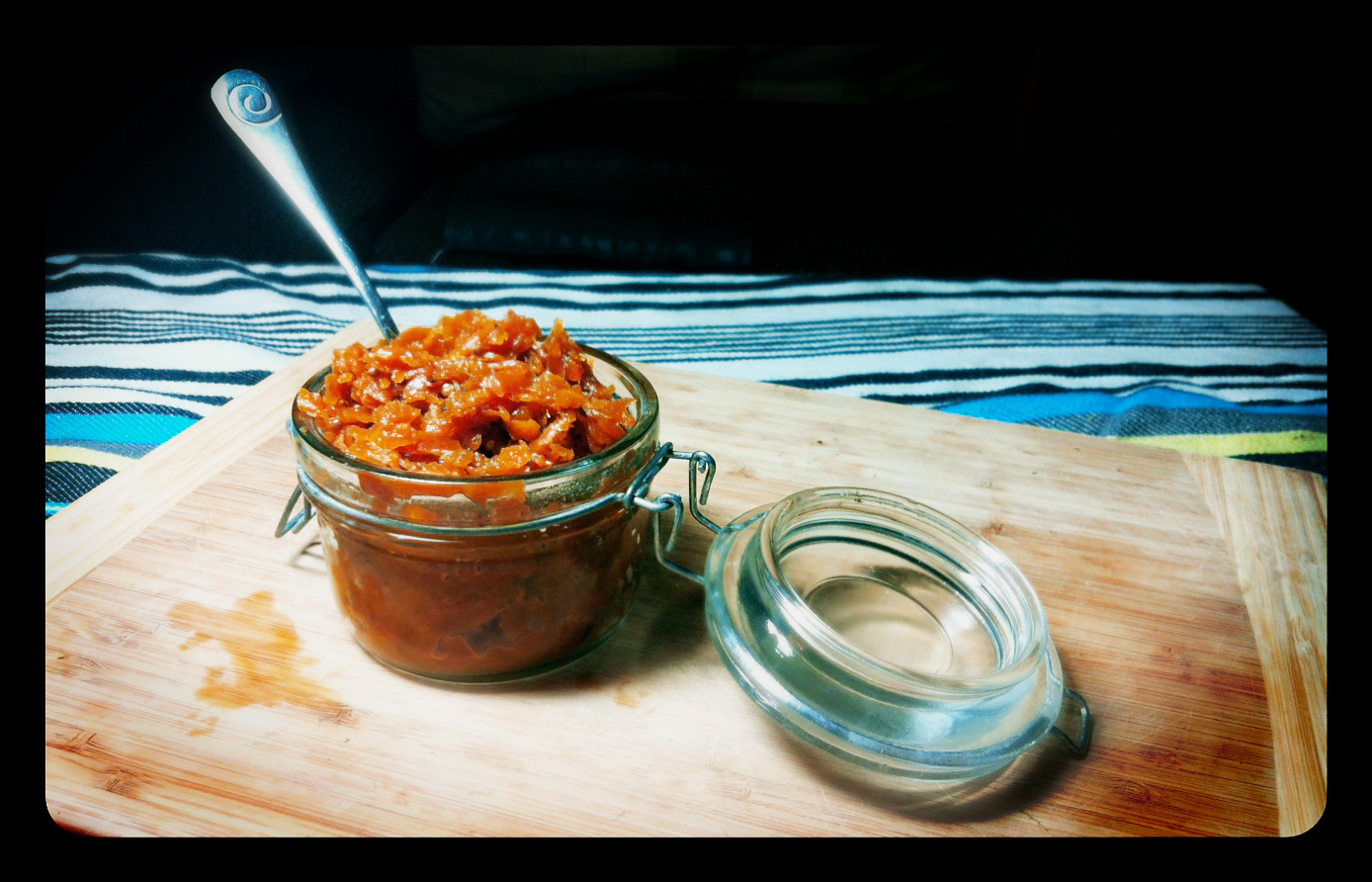
Day 7 – Mediterranean Spiced Carrot Relish

Day7

What do you all think about the new pop-up dining craze?

For those of you who may not know, pop-up dining is when a small restaurant appears in random and/or previously vacant space for a limited time, sometimes only one night.  Personally, I think it’s a great idea!! Serving a specialized menu or sometimes themed, pop-up restaurants offer patrons something different from what is normally locally available and helps turn going out to dinner into a social community event. Unfortunately, one of the draw backs of pop-up dining is that it is typically a set menu with limited vegetarian and vegan options.

I found this recipe on online from Pop-Up Dining Auckland. I have only recently found out about this group, but I am very excited to see that they not only are very creative with their events (the last one being Viking themed), but that often these events are Vegan. The next Vegan pop-up dining event, Vegan Latino, is on July 3rd, and tickets are on-sale now. Being American, I love Latino/Mexican food, and I am thinking I need to check out this yummy Vegan goodness myself. Here’s  hoping tickets will still be available when my next paycheck comes in. Anyone want to go with me?

Further endearing this group to me, they seem to openly post some their recipes on-line inviting and encouraging people to try to make the food they have tasted for themselves.  This recipe was one of the items they served during their recent Mediterranean Vegan pop-up dining event, held at Kokako. They called it Carrot Jam, but when I made the recipe, the consistency and texture is much more similar to what I would call a relish; hence the name change.

The flavors found in Mediterranean food are usually fresh and vibrant playing on the contrast between sweet and savory. This recipe for Mediterranean Spiced Carrot Relish certainly fits that description. Much of this recipe is based on your own personal tastes, and you have to work it it a bit to get the sweet savory balance right, but the results are well worth the effort. I am looking forward to eating this carrot relish with some feta and avocado on a cracker, or maybe as a topping for a falafel burger.

Mediterranean Spiced Carrot Relish

by: Pop-Up Dining Auckland

INGREDIENTS

  • 1 tablespoon mustard seeds
  • 1 tablespoon cumin seeds
  • 1 tablespoon olive oil
  • 5 carrots, grated
  • 1 onion, grated
  • orange juice, preferably fresh squeezed
  • orange zest
  • apple cider vinegar
  • brown sugar
  • salt

Take a tablespoon of mustard seeds and one of cumin seeds and fry in hot oil until it smells nice and the mustard seeds pop.

Add about 5 grated carrots and a grated onion and let it sweat over a med heat. Then add orange juice and zest, apple cider vinegar and brown sugar. Here you will need to judge and taste. A rough guide is about 1 part juice to 2 parts vinegar and then a cup of sugar. You need some liquid to show in the bottom of the pan and you may need to add more as it cooks.

Cover pan with a lid and cook for ages; it is jam after all. If it starts to dry out, add more juice and vinegar and suagr to counter the acidity. Add salt as well. Keep cooking and tasting. If its too vinegary for you, add more sugar, to sweet add more vinegar. You get the idea. It should end up rich and sticky. Leave it to cool, refrigerate and eat tomorrow.

ENJOY!!

Standard
100 Days Project, Dairy Free, Gluten Free, Recipes, Salads, Uncategorized, Vegan

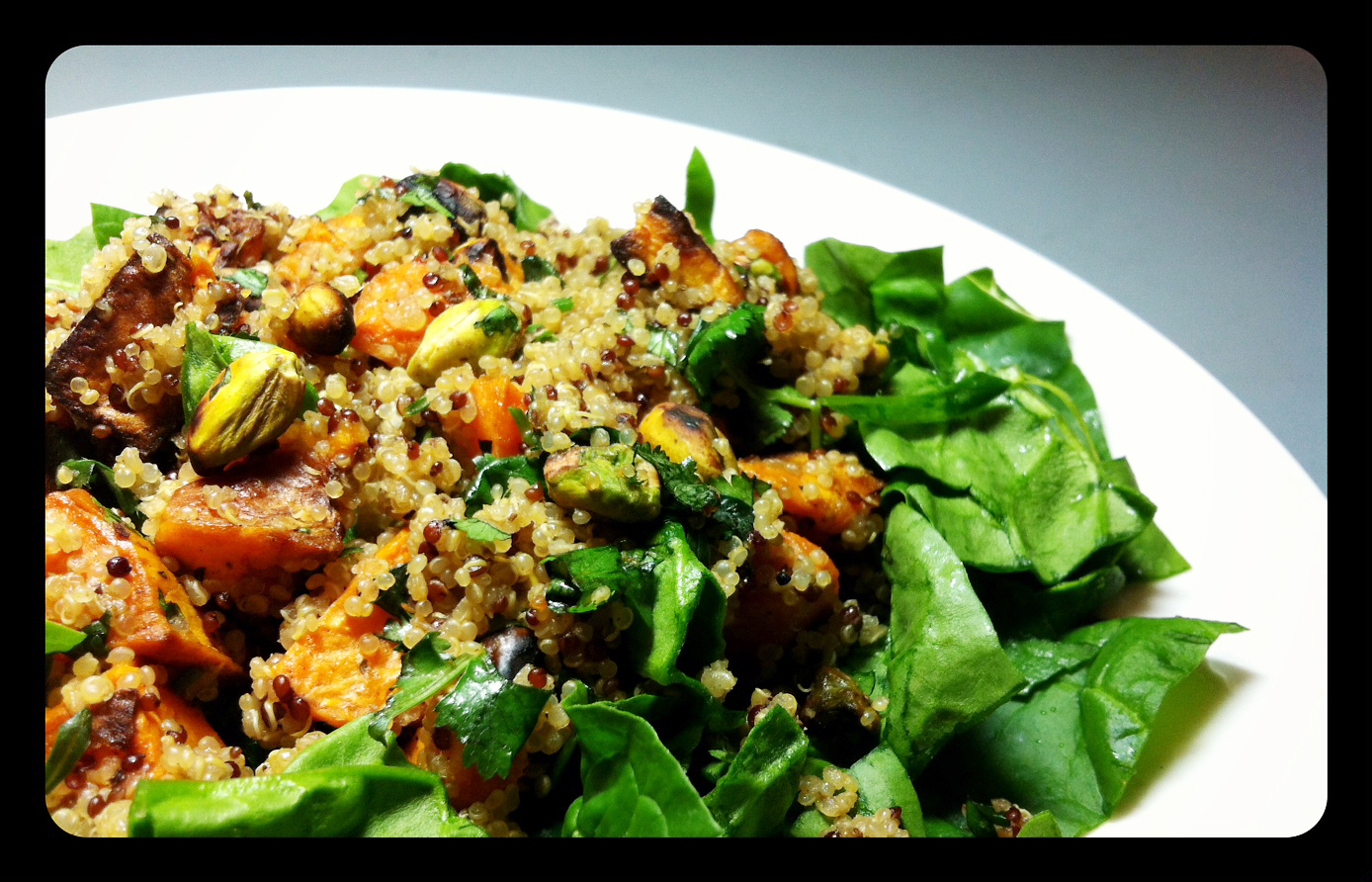
Day 6 – Sweet Potato & Pistachio Quinoa Salad

Day6

I have a question for you Herbivores  . . . Do you have the problem of always making just way too much food?

This is certainly a problem in my kitchen; you would think a small army was coming to dinner. I am single, live with one flatmate who I rarely see, every once and awhile I will have a friend or two over for dinner, but typically there is more food made than can possibly be eaten.  Realistically, there are only so many days you can stand to eat the same left overs, and while freezing food is an option, my freezer is small and can only hold so much. Plus, not everything freezes well. One of the lovely things about this recipe is that it makes small portions. It serves two, so you have enough for dinner and lunch for the next day. That being said, it is also easibly scalable just in case that small army turns up unexpectedly, or you want to make a healthy meal for your family or friends.

Quinoa (pronounced keen-wah) is becoming a very popular grain in our modern society, but it has ancient origins dating back to Ican civilization. It was considered the “mother or all grains”, and today we call it a “super grain” as it is wheat-free, gluten-free, easy to digest, high in protein, and among the least allergenic foods available. It has been a staple of the indigenous diet in areas like Peru for centuries cultivated more for domestic use than international export. The only problem with Quinoa’s blossoming popularity in the western world is that it is putting pressure on the available crops causing the price to increase, making this staple food economically out of reach for some communities who have depended on it. This imbalance will hopefully be solved as more crops are currently being planted to keep up with both the domestic and international demand.

I can create amazingly complicated recipes, but the simplest of foods can sometimes be a challenge. Qunioa, like rice, can be difficult to cook properly, coming out gluggy when it should be soft and fluffy, or burning to the bottom of your pan if left too long. Just like rice, I have found you can cheat by making it in a rice cooker for perfect results every time. Shhh . . . this can be our little kitchen secret.

Sweet Potato & Pistachio Quinoa Salad

adapted from: Will Cook For Friends

SERVES: 2

INGREDIENTS

  • 1 sweet potato, peeled and cut into 20mm cubes (in New Zealand you can substitute a golden kumara for sweet potato)
  • 2-3 tabkespoons olive oil
  • 1 clove garlic, minced
  • 1/2 cup quinoa, rinsed (I used a mixture of red and white quinoa)
  • 1 cup vegetable stock or water
  • 1/2 teaspoon coriander seads
  • 1/2 teaspoon cumin powder
  • 1/4 cup fresh cilantro, chopped
  • 1/2 cup pistachios, roasted/salted/shelled, roughly chopped (plus more for garnish)
  • 500g of spinach, roughly chopped or baby spinach
  • Salt, pepper, and cayenne to taste

Preheat oven to 375f.

Toss cubed sweet potato or kumara with 1-2 tablespoons olive oil, and a large pinch of salt. Spread in an single layer on a foil covered baking sheet, and roast for 15-20 minutes, or until fork tender and brown. Shake or stir the pan once during cooking to stop tops from burning.
In a small pan over medium-high heat dry roast the coriander seeds until they start making a popping sound and release their fragrant aroma. Keep an eye on them, because they can very quickly got from brown to burnt. Grind the coriander seeds into coarse powder in an electric coffee mill, mortar and pestle, or with the bottom of a heavy glass.

In the same small pan, over medium heat, saute garlic in 1 tablespoon olive oil until golden and fragrant.

Rinse the quinoa under cold water, drain, then add to the pan. Add the vegetable broth, coriander, and cumin, and bring to a boil. Cover, reduce the heat to low, and let cook 12-15 minutes without lifting the lid. Remove from heat, and let stand for another 5 minutes. Alternatively, you can add all of these ingredients to a insert of a rice cooker and let it simmer away till done. Remove the lid or your pan or rice cooker, and fluff quinoa with a fork.

Gently stir in chopped cilantro, pistachios, and the sweet potato. Season to taste with salt, pepper, and cayenne.

Place a good size handful of the chopped spinach on a plate and top with the quinoa mixture.

ENJOY!!

Standard